
How Virtual Reality Is Revolutionizing Education for the Next Generation
Introduction
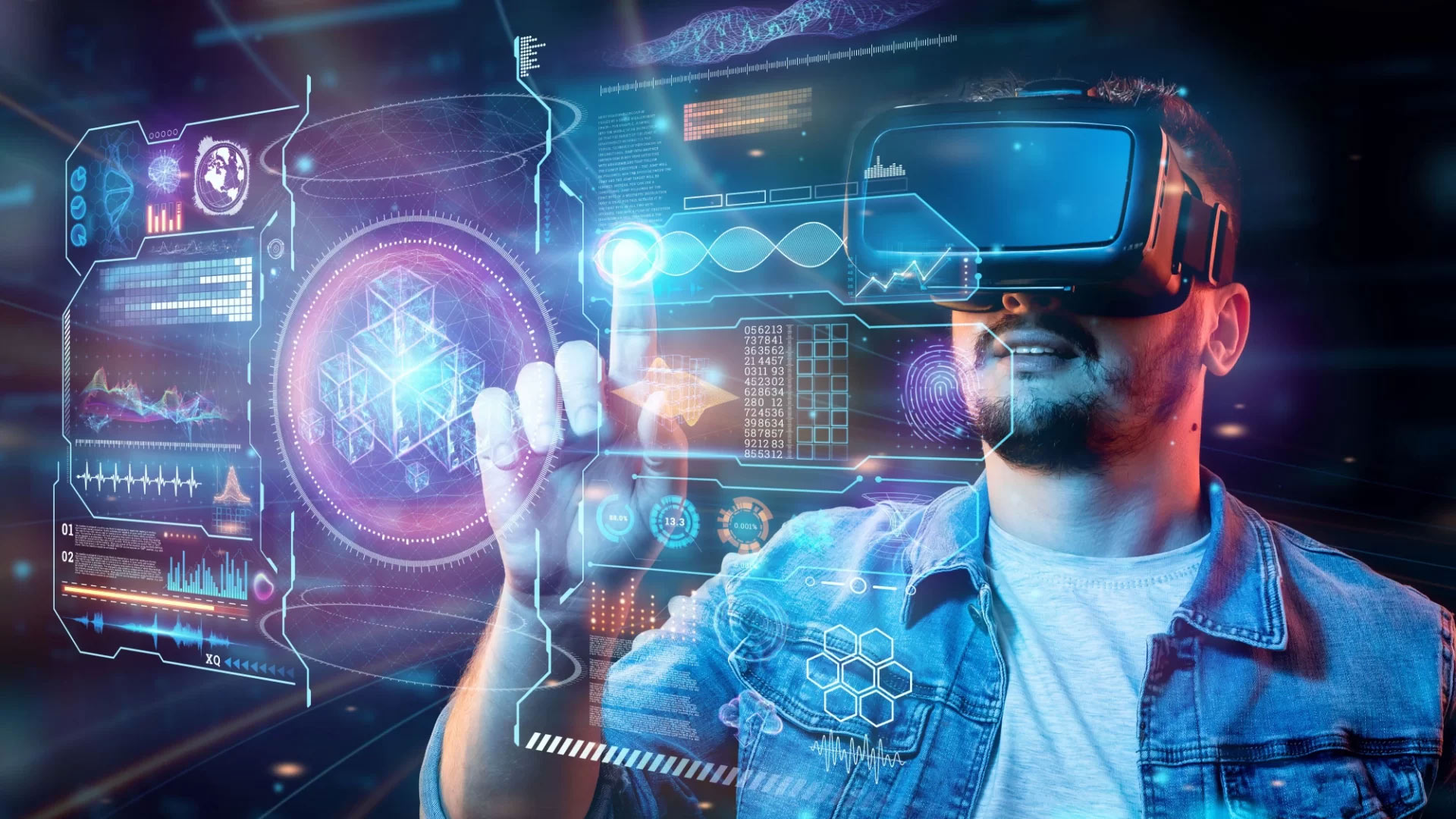
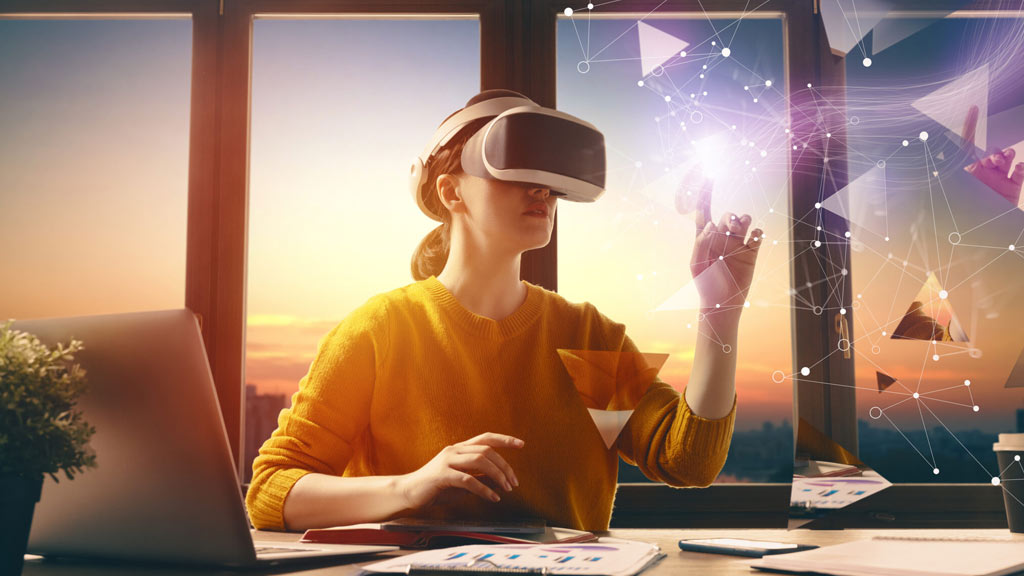
The world of education is changing faster than ever before — and Virtual Reality (VR) is at the center of this transformation. From interactive 3D environments to hands-on virtual experiments, VR is reshaping how students learn and teachers teach. At Sopho Learning, we believe learning should be an experience — not just information delivery.
The Shift from Traditional to Experiential Learning
For decades, education relied on textbooks, chalkboards, and lectures. While effective, these traditional methods often left gaps in understanding. VR bridges those gaps by immersing students in lifelike environments, allowing them to explore concepts instead of memorizing them.
For example, rather than reading about the solar system, students can travel through it — observing planets, their motion, and atmosphere in real time.
Why VR Works So Well for Students
Virtual Reality engages multiple senses, which increases retention and understanding. Research shows that interactive visual learning boosts recall by over 75% compared to passive reading. It also encourages curiosity, creativity, and independent exploration — essential traits for 21st-century learners.
Subjects that Benefit Most from VR
At Sopho Learning, we’ve developed VR content for subjects like:
- Chemistry: Conduct virtual experiments safely.
- Biology: Explore human anatomy from inside out.
- Physics: Simulate motion, energy, and forces visually.
The Bigger Picture
Virtual Reality is not just a learning tool — it’s a bridge between imagination and understanding. It helps teachers explain better and students grasp faster.
The result? Smarter classrooms and more confident learners.
Conclusion
Education isn’t about memorizing facts — it’s about discovering knowledge. With Sopho Learning’s VR-based solutions, schools can transform classrooms into immersive learning hubs that prepare students for the future.